



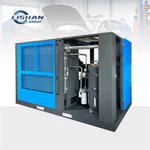
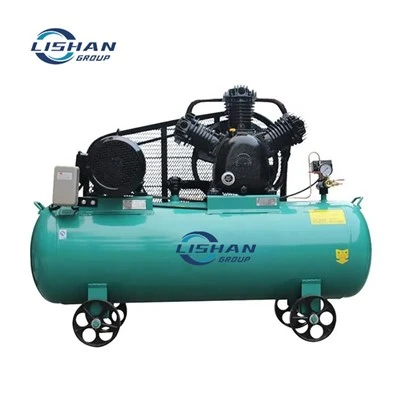
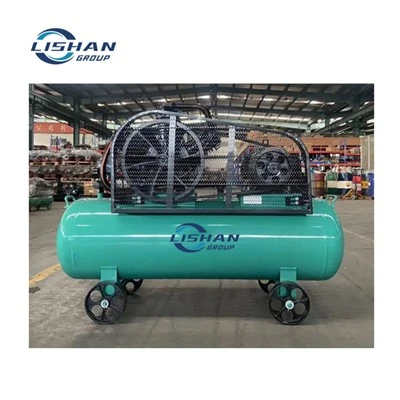
Piston Air Compressor
Our Factory
LINYI LISHAN MECHANICAL GROUP CO., LTD. covers an area of 50 acres. The company was established in 2009 and the production plant was established in 2011. It focuses on screw air compressors, two-stage compression permanent magnet variable frequency screw air compressors, laser cutting integrated special screw air compressors, and piston air compressors.


Why choose us
Certificates
It is a Linyi national production qualification enterprise and a Linyi National Certification Committee GCCA product quality and safety certification enterprise, and has many patents and honors independently developed.
Production Market
The market area covers the world. There is export experience in 89 countries around the world. Especially in Southeast Asia and the Americas, an annual sales volume of 50 million has been achieved.
Our Service
1. Technical consultation and demand diagnosis
2. Customized solution design
3. Intelligent pre-assessment
4. Transparent quotation and risk warning
Product Introduction
|
Model |
2.2KW |
4KW |
5.5KW |
11KW |
15KW |
|
Motor(kw/HP) |
2.2/3 |
4/6.5 |
5.5/7.5 |
11/15.5 |
15/18.5 |
|
Piston variable displacement(L/min) |
300 |
811 |
1068 |
2036 |
2901 |
|
Exhaust volume(L/min) |
200 |
550 |
670 |
1500 |
1800 |
|
Exhaust pressure(bar) |
8 |
8 |
10 |
12 |
16 |
|
Cylinder(diameter x piece) |
65*2/51*1 |
90*2/51*1 |
80*3 |
100*3 |
120*3 |
|
Stroke(mm) |
48 |
75 |
60 |
80 |
90 |
|
Rotate speed of air compressor(rpm) |
940 |
850 |
1180 |
1080 |
950 |
|
Volume of gas storage tank(L) |
100 |
250 |
150 |
250 |
500/300 |
|
Overall dimension(L×W×H cm) |
111*43*85 |
164*57*117 |
130*52*108 |
165*63*120 |
186*72*145/162*70*132 |
|
Packing dimension(L×W×H cm) |
118*51*88 |
177*71*120 |
142*64*118 |
147*77*126 |
196*87*149/172*73*140 |
|
Net weight(kg) |
140 |
358 |
206 |
385 |
619/508 |
|
Gross weight(kg) |
174 |
410 |
230 |
414 |
684/508 |
|
Motor(kw/HP) |
2.2/3 |
|
Piston variable displacement(L/min) |
300 |
|
Exhaust volume(L/min) |
200 |
|
Exhaust pressure(bar) |
12 |
|
Cylinder(diameter x piece) |
65×2/51x1 |
|
Stroke(mm) |
48 |
|
Rotate speed of air compressor(rpm) |
940 |
|
Volume of gas storage tank(L) |
100 |
|
Overall dimension(L×WxH cm) |
111x43x85 |
|
Packing dimension(LxWxH cm) |
118x51x88 |
|
Net weight(kg) |
140 |
|
Gross weight(kg) |
174 |
Core Product Parameters
|
Motor power |
2.2 kW |
|
Exhaust |
200 l /min (0.2m³/min) |
|
Working pressure |
12bar (1.2MPa) |
|
Speed |
940 RPM |
|
Gas storage tank capacity |
100 liters |
Piston Air Compressor Advantages
Cost-Effective:
Piston compressors generally have a lower purchase price compared to other types of compressors.
Ease of Operation:
They are straightforward to operate and maintain, making them a popular choice for many applications.
Versatility:
Air compressors come in different configurations. This allows them to meet specific needs, from small DIY projects and professional to large industrial uses.

Automotive Industry: Used for powering pneumatic tools, inflating tires, and painting vehicles.
Manufacturing: Essential for operating machinery, powering assembly lines, and providing clean air for production processes.
Construction: Used for operating jackhammers, nail guns, and other pneumatic tools.
Agriculture: Used for tasks such as spraying crops, powering farm equipment, and maintaining machinery.
Food and Beverage: Crucial for maintaining clean and safe air in production processes, packaging, and storage.
Industrial: Suitable for heavy-duty tasks, providing reliable performance in manufacturing plants and other industrial settings.
Tradespeople: Widely used by professionals across various trades for their reliability
Maintenance Requirements for Piston Air Compressor
Regular Inspection: Conduct regular inspections to check for any signs of wear and tear, leaks, or unusual noises. This helps in identifying potential issues before they become major problems
Oil Changes: For compressors that use oil, it is important to change the oil regularly. This ensures the machine operates efficiently and avoids overheating. Follow the manufacturer's recommendations for oil change intervals
Air Filter Replacement: Replace the air filters periodically to prevent dust and debris from entering the compressor. Clean filters ensure efficient airflow and reduce the risk of damage to internal components
Belt Tension and Condition: For belt-driven compressors, check the tension and condition of the belts regularly. Replace worn or damaged belts to maintain proper power transfer and prevent slippage
Drain Condensate: Regularly drain the condensate from the air receiver tank. This helps prevent moisture buildup. Moisture can cause corrosion and lower compressor's efficiency.
Check Safety Valves: Ensure that safety valves are functioning correctly to prevent over-pressurization and potential accidents. Test the safety valves periodically as part of routine maintenance.
Inspect Hoses and Connections: Check all hoses and connections for signs of wear, leaks, or damage. Replace any faulty components to maintain a secure and efficient air delivery system.
Monitor Operating Temperature: Keep an eye on the operating temperature of the compressor. Overheating can cause significant damage, so ensure that the cooling system is functioning properly.
Lubrication: Ensure that all moving parts are adequately lubricated to reduce friction and wear. Follow the manufacturer's guidelines for lubrication intervals and types of lubricants to use.
Professional Servicing: Schedule regular professional servicing to perform thorough inspections, adjustments, and replacements as needed. Professional technicians can identify and address issues that may not be apparent during routine maintenance.
The operation of a piston compressor is relatively straightforward. Here's a step-by-step breakdown: